

Most label resellers start as generalists. They take every project, quote every inquiry, and serve every industry. It feels like the smart move — cast a wide net and let the market decide.
But the resellers who build the most stable and profitable businesses almost always make a different choice. They specialize. They pick one or two industries, develop deep familiarity with their requirements, and position themselves as the go-to resource for those clients.
The reason is simple: specialization drives recurring revenue. When you understand a niche — its compliance needs, its material preferences, its seasonal rhythms — you stop competing on price and start competing on expertise. That shift changes everything about your margin structure.
This guide breaks down the most profitable label printing niches for resellers, what makes each one attractive, what it requires technically, and how to position yourself effectively.
Why Niche Specialization Changes Your Reseller Business
Before analyzing specific markets, it is worth understanding why specialization produces better business outcomes than generalism.
When you work across too many industries, every project requires you to relearn requirements. A food brand needs FDA-compliant materials and specific adhesives. A cosmetics client wants premium finishes and exact Pantone matching. An industrial client needs durable substrates that survive harsh environments. Serving all of them equally means serving none of them exceptionally.
Specialization solves this problem. When you develop deep knowledge in one niche, several things happen:
- Quoting becomes faster because you know the materials, quantities, and finishing options in advance
- Production errors decrease because specifications are consistent and predictable
- Client trust increases because you speak their language and anticipate their needs
- Reorders become automatic because your clients associate your expertise with their product
- Margins improve because clients pay for knowledge, not just printing
Generalists compete on price. Specialists compete on value. In wholesale label printing, that distinction determines long-term profitability.
Niche Comparison at a Glance
The table below summarizes the key characteristics of each major label printing niche covered in this guide. Use it to evaluate which markets align with your current client base or target growth areas.
| Niche | Reorder Frequency | Margin Potential | Key Label Requirement |
| Food & Grocery | High (weekly–monthly) | Moderate–High | FDA compliance, moisture resistance |
| Craft Beverage | High (seasonal cycles) | High | Premium finishes, wet-strength |
| Cosmetics & Skincare | Medium–High | High | Luxury finishes, ingredient lists |
| Health & Supplements | High (recurring) | High | Regulatory copy, tamper-evident |
| CBD & Cannabis | Medium | Very High | State compliance, child-resistant |
| E-Commerce & Shipping | Very High (daily) | Moderate | Volume, variable data, durability |
| Industrial & Chemical | Medium | Moderate–High | Durability, hazard compliance (GHS) |
| Private Label Brands | High | High | Brand consistency, blind shipping |
1. Food and Grocery: Volume, Compliance, and Steady Reorders
The food industry is one of the largest and most consistent buyers of custom labels. From small-batch artisan producers to regional grocery brands, food companies need labels continuously, and they need them to meet strict standards.
What Makes This Niche Attractive
Food brands reorder on production cycles. Once a product is on shelves, labels become a recurring operational cost rather than a one-time design expense. This creates predictable revenue for resellers who secure these accounts.
The variety within the food niche is also an advantage. A single reseller can serve:
- Artisan food producers (hot sauces, jams, pickles, spice blends)
- Frozen food manufacturers needing cryogenic-grade adhesives
- Organic and natural brands requiring eco-friendly substrates
- Private label grocery products for retailers
- Meal kit and fresh delivery services with short-run SKU variety
Technical Requirements to Understand
Food labels must meet FDA labeling requirements, including ingredient lists, nutrition facts panels, allergen disclosures, and net weight statements. Resellers who understand these requirements become trusted consultants, not just order-takers.
Material selection matters here. Refrigerated products need moisture-resistant adhesives that perform in condensation-heavy environments. Freezer products require cryogenic-grade materials that stay adhered at low temperatures. Oily or wet products need oil-resistant face stocks.
Positioning Strategy
To win food brand clients, position yourself as a compliance-aware partner. Use language that signals you understand their regulatory environment. Offer material guidance proactively before they ask. Resellers who can say “I know exactly which adhesive you need for refrigerated glass jars” win deals that purely price-focused competitors lose.
Reseller Insight: Food Niche
A reseller who secures five artisan food brand accounts — each reordering every 6 to 8 weeks — creates a predictable revenue rhythm that compounds over time. The key is consistency: matching color, material, and die line on every reorder.
2. Craft Beverage: High Margins, Premium Demand, and Brand-Driven Clients
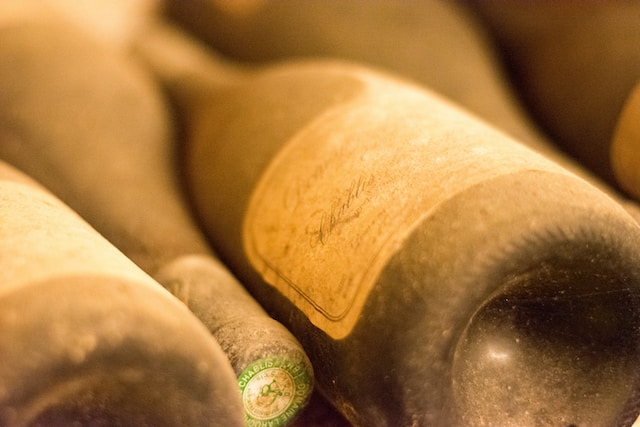
Craft beer, wine, spirits, kombucha, cold brew, and specialty bottled beverages form one of the most label-intensive niches available to resellers. In craft beverage, the label is not just packaging, it is the primary marketing asset. Consumers choose bottles based on label design before they ever taste the product.
What Makes This Niche Attractive
Craft beverage brands take label quality seriously. They invest in premium finishes, custom die cuts, and specialty materials because their labels directly influence purchase decisions at retail. This willingness to invest translates into higher per-order value and better margins for resellers.
The production cycle also supports recurring revenue. Breweries and wineries often release:
- Core lineup labels ordered quarterly or monthly
- Seasonal and limited releases requiring fast, flexible short runs
- Event and collaboration labels for special batches
- Secondary packaging such as six-pack carriers, neck labels, and back labels
Technical Requirements to Understand
Wet-strength materials are essential in this niche. Beverage bottles move through ice baths, coolers, and refrigerators. Labels that cannot withstand moisture will fail and a failed label damages the brand. Resellers who understand wet-strength film options, water-resistant adhesives, and ice-bucket test performance build credibility fast.
Finishing is also critical. Craft beverage brands frequently request:
- Soft-touch lamination for premium tactile feel
- Matte or gloss overcoats to differentiate SKUs
- Foil stamping for winery and spirits labels
- Spot UV to highlight logos or design elements
- Embossing on high-end spirits and wine labels
Positioning Strategy
Approach craft beverage clients as a brand partner, not a label vendor. Understand their seasonal release calendar. Offer material samples so they can feel the difference between substrates. Build relationships with local breweries and wineries through trade events, tasting rooms, and industry associations. Once a craft beverage brand trusts your labels for their flagship product, every new release becomes a reorder opportunity.
Reseller Insight: Craft Beverage Niche
A regional brewery releasing 12 seasonal beers per year, each requiring 2,000 to 5,000 labels per SKU, can generate substantial annual revenue from a single account. Premium finishing adds margin on top of volume.
3. Cosmetics and Skincare: Luxury Expectations and Strong Brand Loyalty
Cosmetics and skincare brands occupy a unique position in the label market. Their customers are highly brand-conscious, and the product experience begins the moment a consumer sees the packaging. Labels in this category carry enormous weight.
What Makes This Niche Attractive
Cosmetic brands tend to be growth-oriented. A skincare startup that launches with 500-unit runs quickly scales to 5,000, then 50,000 as retail distribution expands. Resellers who establish relationships early capture that growth and grow with the client.
Margins in this niche are strong because cosmetic brands prioritize quality over cost savings. They are not shopping for the cheapest label — they are shopping for the label that makes their $45 moisturizer look like it belongs in a high-end retail environment.
Common product categories include:
- Skincare serums, moisturizers, and toners
- Makeup products including foundations, lipsticks, and palettes
- Hair care products including shampoos, conditioners, and treatments
- Nail polish and nail care
- Men’s grooming products
- Natural and organic beauty lines
Technical Requirements to Understand
Cosmetic labels must survive bathroom environments — steam, moisture, oils, and frequent handling. Film substrates such as polypropylene or BOPP perform well in these conditions. Clear or transparent labels are frequently requested for a no-label look on glass bottles.
Regulatory requirements include ingredient listings (INCI names), net weight, manufacturer information, and country of origin. Resellers who know these requirements can guide clients through label content before production begins, reducing revision cycles and positioning themselves as a full-service partner.
Positioning Strategy
Lead with finish samples. Cosmetic clients respond to tactile experience. Bring samples of soft-touch lamination, spot UV, embossing, and foil options to every conversation. Show them the difference rather than describing it. In a niche where visual and tactile quality drives the purchase decision, your ability to demonstrate premium output is your competitive advantage.
4. Health and Supplements: High Volume, Tight Specs, and Regulatory Complexity
The health supplement industry is one of the fastest-growing label markets. Protein powders, vitamins, probiotics, adaptogens, and functional foods all require labels that meet specific regulatory standards while communicating brand identity effectively.
What Makes This Niche Attractive
Supplement brands reorder frequently. Once a formulation is approved and a product is selling, production runs happen on a consistent cycle. A single supplement brand with ten SKUs, each reordering every 60 to 90 days, creates significant recurring volume.
The category also trends toward premium presentation. Brands competing in crowded supplement markets invest in clean design, quality materials, and finishes that convey credibility and efficacy.
Technical Requirements to Understand
FDA regulations govern supplement label content. Supplement Facts panels, serving sizes, ingredient disclosures, and health claim limitations all affect label design and copy. Resellers who understand these requirements — or who can guide clients to appropriate resources — build authority quickly.
Container types in this niche vary widely: pouches, bottles, jars, boxes, and stick packs. Each format requires different label dimensions, adhesives, and application methods. Knowing these requirements in advance prevents specification errors and positions the reseller as a knowledgeable partner.
Positioning Strategy
Develop a checklist for supplement label compliance and share it with prospects as a free resource. This demonstrates expertise immediately and creates a value-based conversation before pricing enters the discussion. Position your wholesale production partner’s capabilities — consistent color across reorders, accurate die lines, reliable turnaround — as guarantees you can offer every client.
Reseller Insight: Supplement Niche
Supplement brands often manage multiple SKUs across flavors, sizes, and formulations. Resellers who build organized reorder systems for these clients — storing approved artwork, specifications, and material details — make switching vendors feel unnecessarily risky.
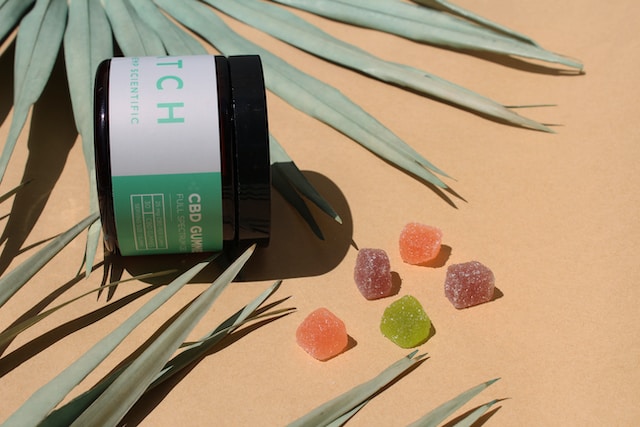
5. CBD and Cannabis: Highest Margin Potential with Compliance Complexity
The CBD and cannabis label market offers some of the highest per-unit margins available to label resellers. The regulatory environment creates complexity that generic printers cannot navigate confidently, which is exactly the gap a specialized reseller can fill.
What Makes This Niche Attractive
Compliance requirements vary by state and change frequently. Brands in this space need a label partner who stays current with evolving regulations. Resellers who develop this expertise become indispensable — clients do not want to restart the compliance learning curve with a new vendor.
Label requirements in cannabis often include required warnings, THC content disclosures, lot numbers, child-resistant packaging integration, and tamper-evident features. These specifications create complexity that supports premium pricing.
Technical Requirements to Understand
Cannabis and CBD labels often require:
- State-specific compliance text and warning symbols
- Track-and-trace compliance with sequential numbering or QR codes
- Variable data printing for batch and lot identification
- Child-resistant packaging compatibility in label design
- Durable materials that survive various storage conditions
Positioning Strategy
Build a compliance resource library for the states you serve. Track regulatory changes and communicate proactively to clients when updates affect their label requirements. In a niche where mistakes carry legal consequences, being the reseller who prevents compliance problems is worth a meaningful premium.
6. E-Commerce and Direct-to-Consumer Brands: Volume, Speed, and Variable Data
The rise of direct-to-consumer brands has created a massive and growing demand for labels. Shopify brands, subscription box companies, and marketplace sellers all need product labels, shipping labels, and packaging inserts — often across dozens of SKUs simultaneously.
What Makes This Niche Attractive
E-commerce brands scale rapidly. A brand that orders 1,000 labels today may need 50,000 within 18 months. Resellers positioned as growth partners capture that expansion organically without competing for new accounts.
This niche also generates very high reorder frequency. Direct-to-consumer brands often operate on continuous production cycles with weekly or monthly reorder needs, creating predictable, compounding revenue.
Technical Requirements to Understand
Variable data printing is common in e-commerce. Personalized packaging, sequential numbering, QR codes, and order-specific information require print solutions that support variability without disrupting production efficiency. Resellers who understand digital printing capabilities — and when to apply them — serve this niche most effectively.
Speed is equally important. E-commerce brands operate on tight inventory cycles. Resellers who can consistently deliver within reliable turnaround windows build strong loyalty in a niche where delays have direct revenue consequences.
Positioning Strategy
Lead with turnaround reliability and SKU management. Show prospects how you track their specifications, store approved artwork, and ensure every reorder matches the last. For e-commerce brands managing complex product catalogs, operational reliability matters more than minor price differences.
7. Industrial and Chemical: Durable Labels, Consistent B2B Reorders
Industrial and chemical labeling is often overlooked by resellers focused on consumer-facing brands. That is a strategic mistake. Industrial clients have large, consistent label needs, less price sensitivity than consumer brands, and long-term vendor relationships once trust is established.
What Makes This Niche Attractive
Industrial operations run continuously. Labels for machinery, equipment, chemical containers, warehouse systems, and safety compliance are consumed regularly. These are not seasonal or trend-driven purchases; they are operational necessities.
B2B industrial buyers tend to stay with vendors who deliver consistently. Once a supplier relationship is established and specifications are approved, switching carries operational risk that most procurement teams prefer to avoid.
Technical Requirements to Understand
Industrial labels must survive demanding conditions. Common requirements include:
- Chemical resistance for labels applied to drums, containers, and machinery
- UV resistance for outdoor or warehouse environments
- GHS (Globally Harmonized System) compliance for hazardous material labeling
- High-tack adhesives for rough or low-surface-energy substrates
- Extreme temperature resistance for equipment operating in heat or cold
Positioning Strategy
In industrial markets, reliability and consistency are the primary purchasing criteria. Position your production partner’s quality control systems and turnaround consistency as core selling points. Offer to review existing label specifications and identify compliance gaps — a service that immediately demonstrates value beyond order processing.
8. Private Label Brands: High Consistency Requirements and Brand Protection
Private label businesses — brands that sell products manufactured by third parties under their own name — are ideal label reseller clients. They prioritize brand consistency above almost every other factor, and they reorder on production cycles tied to sales velocity.
What Makes This Niche Attractive
Private label clients need absolute consistency across every production run. Their brand identity depends on labels matching exactly — same colors, same materials, same finish — every single time. This creates a strong dependency on resellers who can deliver that consistency reliably.
Blind shipping is especially important in this niche. Private label brands are protecting their supplier relationships and their brand identity. Resellers who offer structured blind shipping through a wholesale partner who never contacts clients directly earn long-term loyalty.
Technical Requirements to Understand
Color management is critical. Private label brands often have established Pantone colors tied to their brand identity. Every reorder must match. Resellers who work with production partners that have strong color management systems — and who document approved proofs for every client — protect themselves from reorder disputes and protect their clients’ brand integrity. You can learn more about what to look for in a production partner in our guide on how to choose a wholesale label printing partner.
Positioning Strategy
Emphasize your reorder process explicitly. Walk private label prospects through how you store their specifications, manage approved proofs, and ensure each reorder matches previous production. This operational transparency addresses their primary concern before they raise it.
Reseller Insight: Private Label Niche
Private label clients rarely switch vendors when production is consistent. The setup investment — approved artwork, confirmed specifications, established color references — makes staying easier than starting over. Your consistency is the lock-in.
How to Choose the Right Niche for Your Reseller Business
The right niche is not necessarily the highest-margin one. It is the one that aligns with your existing relationships, your geographic market, and your ability to develop genuine expertise. Here is a framework for making that decision:
Step 1: Audit Your Current Client Base
Look at your existing clients or warm prospects. Are there industries already represented? Do you have personal experience or connections in any particular sector? Niche development is much faster when you start with existing relationships rather than entering a cold market.
Step 2: Evaluate Reorder Potential
The most profitable niches are those with frequent, recurring orders. Evaluate each potential niche against this question: do these clients need labels once, or do they need them continuously? Food, beverage, supplements, and private label brands all reorder regularly. Event or seasonal products may not.
Step 3: Assess Technical Complexity
Some niches require significant technical knowledge — cannabis compliance, GHS chemical labeling, FDA supplement regulations. Others are more straightforward. Choose a niche whose complexity you can develop genuine expertise in, or pair with a wholesale production partner who can support your technical questions.
Step 4: Match With Your Production Partner’s Strengths
Your niche choice should align with what your wholesale production partner does best. If your partner excels in premium finishing — foil, embossing, soft-touch lamination — craft beverage and cosmetics are natural fits. If they specialize in variable data and short-run digital production, e-commerce brands become a strong option. A strong partnership makes niche specialization scalable, as explored in depth in our complete guide to wholesale label printing for resellers.
Building Topical Authority in Your Chosen Niche
Choosing a niche is the first step. Building authority within it is what converts that choice into a competitive advantage. Here is how experienced resellers develop that authority:
- Develop niche-specific quoting templates that reflect industry standards for materials and quantities
- Create a reference library of approved specifications for repeat clients in that industry
- Join industry associations or trade groups where your target clients participate
- Use industry-specific language in all client communication, proposals, and follow-ups
- Track regulatory changes that affect label requirements in your niche and communicate updates proactively
- Build a portfolio of successful projects within the niche to reference during new client conversations
Authority within a niche is not built through marketing alone. It is built through operational consistency, technical knowledge, and the kind of reliable service that turns one-time clients into long-term accounts.
Partner With a Wholesale Label Printer Built for Reseller Specialization
Niche specialization only works when your production partner can match the requirements of the industries you serve. Inconsistent materials, unreliable turnaround times, and poor color management across reorders undermine the very expertise you are building.
At Quadlabels, we work with print brokers, resellers, and agencies across the full range of label markets — food, beverage, cosmetics, supplements, CBD, e-commerce, industrial, and private label. Our production capabilities are designed to support the consistency that niche resellers depend on:
- Precise color management for accurate reorder matching across all industries
- A wide range of materials and finishing options to serve premium and functional label needs
- Structured blind shipping to protect your client relationships and brand identity
- Reliable digital production for short-run flexibility and SKU variety
- Organized online ordering system for efficient reorder management
- Responsive support when client specifications require technical guidance
Whether you are building a specialty in craft beverage, growing a supplement brand portfolio, or serving a mix of private label clients, Quadlabels provides the production backbone that makes specialization scalable.
Contact us to discuss your niche focus and request a wholesale quote. We will help you identify the most efficient production approach for the industries you serve, and build a partnership that supports your growth from the first order onward.
FAQ
Profitability depends on margin potential, reorder frequency, and your ability to develop genuine expertise. CBD and cannabis labels often carry the highest margins due to compliance complexity. Craft beverage and cosmetics offer strong margins with frequent reorders. Health supplements combine high volume with reliable repeat cycles. The most profitable niche for any individual reseller is typically the one where they can develop the deepest expertise and the most consistent client relationships.
Most successful label resellers start with one or two industries and expand from there. Specialization allows faster expertise development, stronger client positioning, and more consistent production specifications. Once a niche is established and processes are systematized, expanding into adjacent markets becomes more manageable without sacrificing quality.
Specialization typically improves margins in two ways. First, it reduces the price sensitivity of the conversation — clients who value expertise are less focused on finding the cheapest option. Second, it reduces operational inefficiencies — consistent specifications, familiar materials, and established reorder processes lower the per-order complexity that erodes margin over time.
Food label resellers benefit from understanding FDA labeling requirements, moisture-resistant and cryogenic material options, and the adhesive performance differences required for refrigerated, frozen, and ambient storage. Resellers who can advise on material selection for specific food packaging formats — glass, plastic, flexible pouches — are positioned as consultants rather than order processors.
Blind shipping is critical for any reseller building long-term niche accounts. In industries where clients invest significant time establishing specifications, reviewing proofs, and building trust, the risk of supplier discovery is real. A wholesale partner who ships without their own branding — and who never markets directly to your clients — protects the account relationships you have worked to develop.
Authority is built through operational consistency and industry knowledge. Developing niche-specific quoting templates, joining relevant trade associations, tracking regulatory changes, and maintaining a portfolio of successful work within the industry all contribute. Over time, the combination of reliable production and demonstrated expertise makes switching vendors an unattractive option for established clients.