A QR code on a product label used to mean one thing: a link to a website, printed small in a corner because nobody expected many people to scan it. That’s changed. Retailers and brand owners are now building entire pieces of packaging strategy around what a shopper sees after they scan. And the push toward 2D barcodes at retail checkout (GS1’s Sunrise 2027 initiative) means QR and other 2D codes are becoming a standard part of packaging, not an optional extra.
For a manufacturer or print broker deciding whether QR code labels are worth the added design and printing complexity. It helps to see the actual use cases brands are getting value from, not just the general idea that “packaging should be connected.”
What Are QR Code Labels?
A QR code label is a printed label containing a scannable two-dimensional barcode that links to digital content — a webpage, a video, a form, or a database lookup — when scanned with a smartphone camera. It’s one form of what’s often called a “smart label,” a broader term that can also include RFID or NFC tags. Though QR-based labels remain the most common and lowest-cost way to add a digital layer to packaging, since they require no special hardware beyond a phone.
“Connected packaging” and “digital packaging” describe the broader trend this fits into: physical packaging that also functions as a doorway to digital information, rather than a static, one-way communication surface.
7 Ways Brands Are Using QR Code Labels
1. Product information
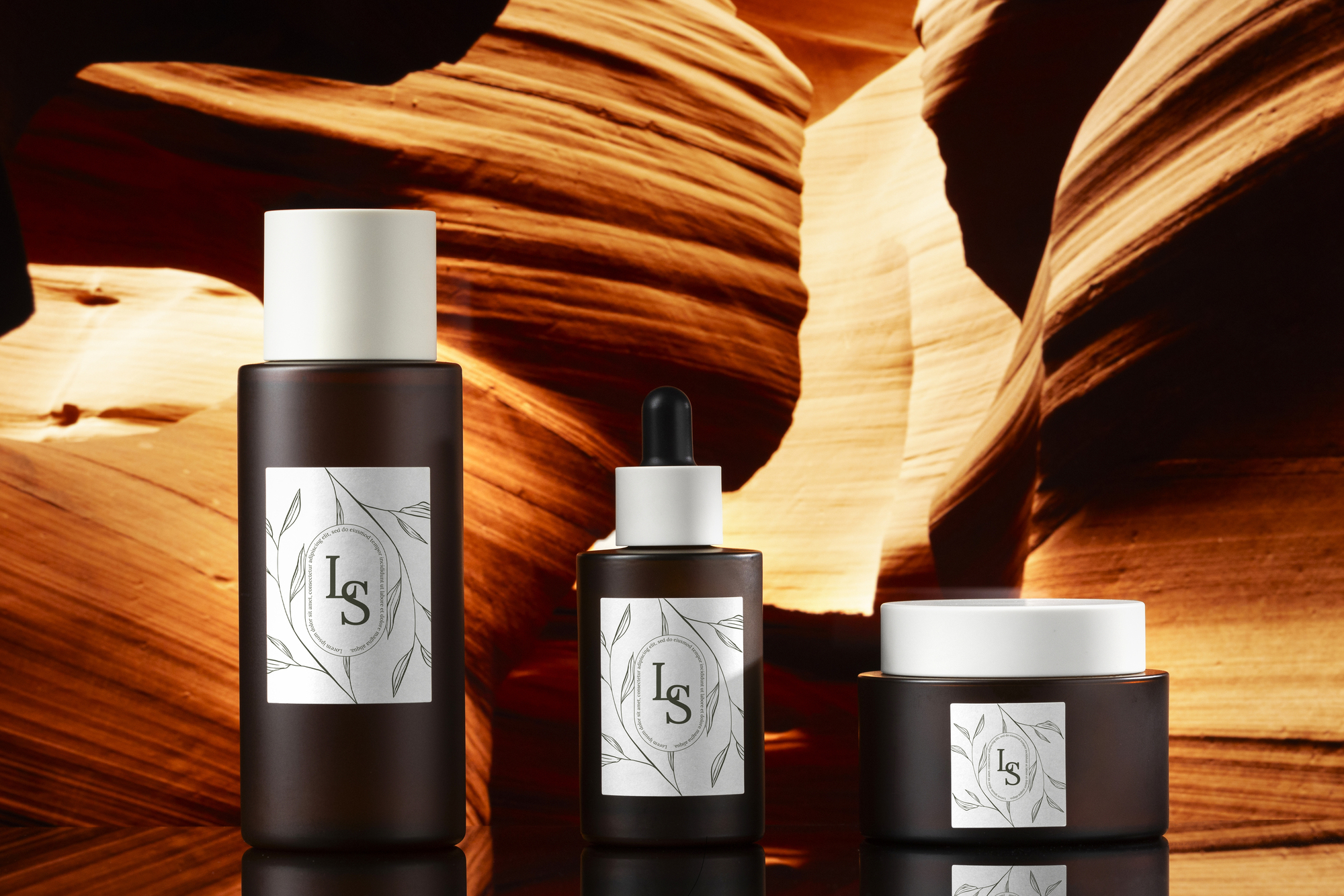
The most common use is straightforward: a QR code links to a page with fuller product details than a small label could ever fit — ingredients, sourcing information, nutritional data, sizing guides, or certifications. This matters most for products with genuinely complex information (supplement facts, cosmetic ingredient lists, allergen details) where label space is limited but the information a customer wants is not.
2. Authentication
Brands in categories prone to counterfeiting — premium spirits, cosmetics, CBD products, limited releases — use QR codes to let customers verify a product is genuine. It’s worth being precise about what a QR code can and can’t do here. A plain, unserialized QR code can be photographed and reused by a counterfeiter just as easily as the original. Real authentication generally requires a unique, serialized QR code per unit, checked against a database that flags or invalidates a code after its first verified scan. For the strongest protection, brands often pair a serialized QR code with a physical tamper-evident or security seal label. So the digital and physical layers reinforce each other rather than relying on the QR code alone.
3. Product instructions
For products that need explanation beyond what fits on a label — assembly steps, dosage guidance, usage instructions, or safety warnings — a QR code can link to a video or an expandable instruction page. This is especially useful for products sold internationally, where a single QR code can route to a language-appropriate version of the same instructions instead of printing multiple languages on a small label.
4. Promotions
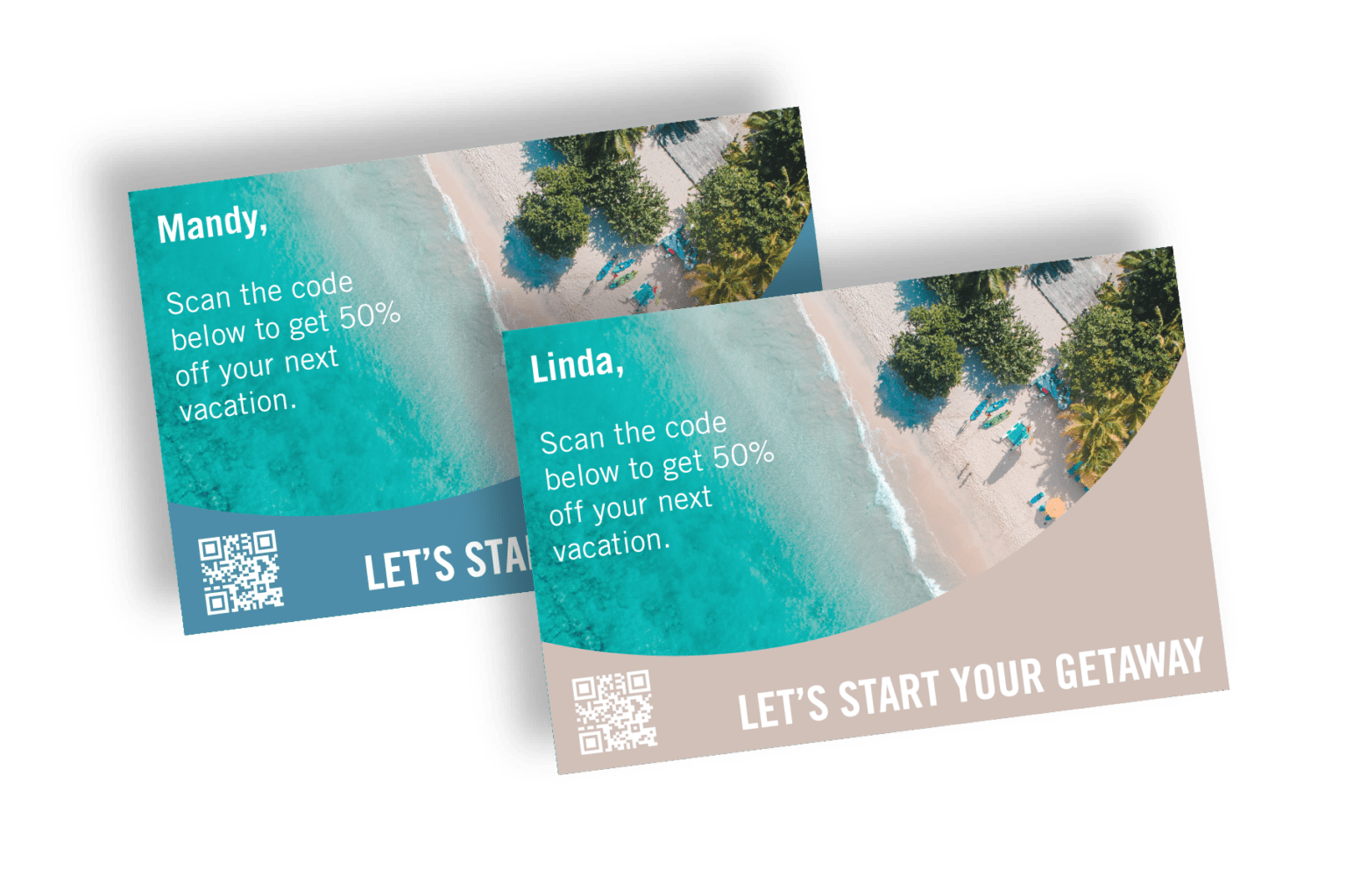
QR codes are a direct bridge from packaging into a promotion, loyalty program signup, contest entry, or discount code — turning a one-time purchase into a data-capture or repeat-purchase opportunity. This works best when the destination page is built specifically for that scan, rather than dropping the customer on a generic homepage where the offer isn’t immediately visible.
5. Reviews
Linking directly to a product’s review page, or to a short review-submission form, lowers the friction between “just used this product” and “left a review”. A gap where most potential reviews are lost. Some brands time this by linking to a review prompt from packaging that’s opened partway through product use (a candle at the halfway point, a skincare product a few weeks in) rather than at the moment of purchase.
6. Traceability
For food, beverage, and CBD/hemp products, QR codes increasingly link to supply chain and sourcing data where an ingredient was grown, batch and lot information, or test results. This isn’t purely a marketing choice anymore. FDA’s food traceability rule (FSMA Rule 204) requires certain high-risk foods on the agency’s Food Traceability List to maintain detailed tracking records across the supply chain, with a compliance date currently set for July 2028 after an extension. A serialized QR or 2D barcode is a practical way to make batch and lot data accessible at the point of scan, both for consumers and for supply chain partners.
7. Sustainability and recycling information
Brands use QR codes to give customers recycling instructions specific to the packaging materials used, information about refill or take-back programs, or details on sustainability initiatives. It’s worth noting this is a consumer-information use case rather than an automated-sorting one. The technology used by many recycling facilities for automated material sorting (such as digital watermarking initiatives) is generally separate from consumer-facing QR codes. So a QR code here should be framed as helping the customer make an informed choice, not as controlling how the package gets physically sorted at a recycling facility.
How Variable Data Printing Makes Unique QR Codes Possible at Scale
Several of the use cases above — authentication, traceability, and any promotion that tracks individual redemptions — depend on every label carrying a different QR code rather than the same one repeated across an entire print run. That’s where variable data printing comes in.
Variable data printing (VDP) is a digital printing process that can change specific content — a QR code, a serial number, a barcode, a batch code — on every single label in a run, without slowing down production the way manually swapping print plates would. Instead of printing one static design thousands of times, a VDP-enabled press pulls each label’s unique data (often generated from a sequential list or a database) and prints it inline as part of the normal run.
For QR codes specifically, this means each label’s code can link to a unique tracking ID, a specific batch record, or an individually verifiable authentication code. The functional difference between a QR code that just displays information and one that can actually track, verify, or personalize at the individual-unit level. For a fuller explanation of how this works and what it’s used for beyond QR codes, see our guide to variable data printing for personalized labels.
Is a QR Code Label Right for Your Product?
A few questions help clarify which use cases actually apply, and what to specify when ordering:
- Does the use case need a unique code per unit, or is one static code enough? Product info, instructions, and general reviews links can usually share a single QR code across a run. Authentication, traceability, and tracked promotions need variable data printing for serialized codes.
- Who maintains the destination page or database? A QR code is only as useful as what it links to — someone needs to own and update that content, or the code becomes a dead link over time.
- What label material and print quality does the application need? A QR code has to stay scannable through the product’s real handling conditions. Condensation on a beverage bottle, oil contact on a cosmetic jar, or refrigeration on food packaging can all degrade a poorly chosen label material faster than the code itself becomes unreadable. A synthetic material like BOPP tends to hold up better than paper in these conditions.
- Is there enough contrast and clear space around the code? A QR code needs sufficient size, a clean quiet zone (blank space) around it, and strong contrast between the code and its background to scan reliably. This matters more on smaller labels or curved containers than it might seem at the design stage.
- Does the category have a regulatory driver? Food brands handling products on FDA’s Food Traceability List, or brands preparing for the broader retail shift toward 2D barcodes under GS1 Sunrise 2027, have a more concrete reason to move on this now rather than treat it as optional.
Getting Started With QR Code Labels
Once it’s clear which use cases apply, the remaining decisions are practical. Whether the QR codes need to be static or unique per label, what data needs to sit behind each code, and which label material will hold up to the product’s actual handling and storage conditions. Quadlabels can print QR code labels using variable data printing for brands that need a unique, serialized code on every label — alongside standard label materials suited to the product’s environment. To place your order, visit our online ordering portal.
FAQ
QR code labels link packaging to digital content such as product information, usage instructions, authentication checks, promotions, reviews, traceability data, and recycling information — turning a physical label into a doorway to a digital experience.
QR code labels are one type of smart label. “Smart label” is a broader term that can also include RFID or NFC-enabled labels, but QR codes remain the most common and lowest-cost way to connect packaging to digital content since they only require a smartphone camera to scan.
A QR code alone offers limited protection, since a plain code can be copied. Meaningful anti-counterfeiting typically requires a unique, serialized QR code per unit checked against a verification database, often combined with a tamper-evident label for added physical security.
No. Use cases like general product information or instructions can share one QR code across an entire print run. Unique codes are needed for authentication, individual traceability, or tracked promotions, and require variable data printing to produce at scale.
Connected packaging refers to physical packaging designed to link to digital content — most often through a QR code or similar 2D code — giving brands a way to share product information, track products through the supply chain, or engage customers beyond what fits on the physical label.