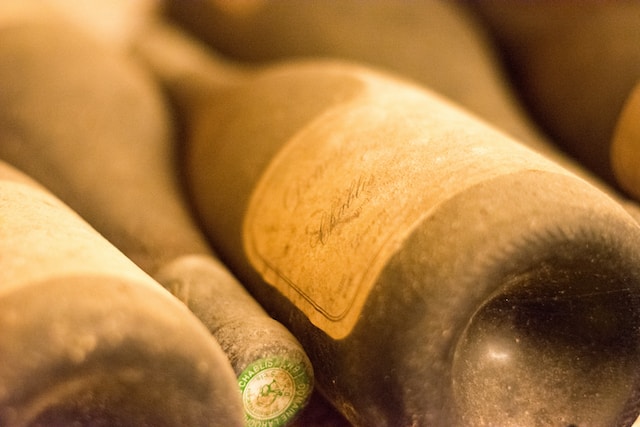
A label’s finish is often what a customer notices before they notice anything else about it. Foil, raised texture, a glossy accent against a matte background — these details are processed almost instantly, before a shopper reads a single word of the design. That’s part of why embellishment has become a bigger part of label strategy this year, and why the technology behind it is changing faster than the trends themselves.
What Counts as Label Embellishment?
Embellishment refers to any finishing technique applied on top of a base label design to add texture, shine, or a raised or layered visual effect — foil stamping, embossing, spot UV coatings, and textured varnishes are the most common examples. These effects are usually applied to specific elements of a design (a logo, a border, a product name) rather than across the whole label, which is part of what makes them read as deliberate rather than decorative filler.
The Shift Toward Digital Embellishment
Traditional embellishment methods — hot foil stamping, physical embossing dies — rely on tooling that has to be produced before a single label can be printed. That tooling cost and lead time made embellishment a harder sell for shorter runs or for brands with many SKUs, since each new design or size variant needed its own die or plate.
Digital embellishment changes that math. Because no physical die or foil plate is required, a design change can move from file to finished label without the setup delay that traditional methods require. This is reflected in how the broader print embellishment market has been trending; several industry sources describe embellished print as growing faster than standard print output overall, with digital methods increasingly cited as the reason short embellished runs have become financially realistic rather than a luxury reserved for large orders. For a manufacturer managing several label SKUs at once, this matters more than it might first appear: embellishment no longer has to be an all-or-nothing decision made once for an entire product line.
Combination and Layered Finishes
Rather than choosing a single embellishment technique, more label designs this year are pairing two or three effects together — a matte base with a glossy spot UV accent, or foil paired with subtle texture on the same element. This layered approach tends to read as more intentional than a single flat foil block, and it lets a brand apply an expensive technique selectively (on a logo or key detail) instead of across an entire label, which keeps cost more contained while still achieving a premium look.
Our comparisons of foil stamping versus metallic ink printing and matte versus gloss lamination go into more detail on how these individual techniques compare, which is worth reviewing before combining more than one on the same label.
Texture as a Design Tool, Not Just Decoration
A raised or tactile finish is increasingly used to communicate something specific about the product, rather than as decoration on its own. A textured varnish that mimics a fabric weave on a candle label, or a subtle emboss around a badge or seal on a food label, is meant to be felt as much as seen — and that tactile cue is often used to reinforce a craft, artisanal, or premium positioning that the visual design alone wouldn’t fully carry. This is consistent with a broader pattern in packaging design: touch is processed differently than sight, and a well-placed texture tends to get noticed even by someone who isn’t consciously looking for it.
Personalized and Region-Specific Embellishment at Scale
Because digital embellishment doesn’t require new tooling for each variation, it can be paired with variable data printing to apply different foil or texture elements across a run — a regional version of a label, a limited seasonal variant, or a small test batch before a wider rollout. Our guide to variable data printing explains how this works for serialized data like QR codes and batch numbers; the same underlying capability is what makes personalized embellishment at the label level practical rather than a novelty reserved for large print runs.
Security and Authentication Features Built Into Finishes
Some embellishment techniques are being used less for visual appeal and more for anti-counterfeiting purposes — a covert or hard-to-replicate foil pattern, for example, that’s difficult for a counterfeiter to reproduce without the same specialized equipment. This tends to show up most in categories already sensitive to counterfeiting, such as premium spirits, cosmetics, and CBD products, and it often works best alongside the kind of serialized QR code authentication.
What This Means for Brands Ordering Embellished Labels in 2026
A few practical shifts follow from all of this. Embellishment is being planned for a specific element rather than an entire label, which usually looks better and costs less than covering a whole design in foil or texture. Shorter, more targeted embellished runs are becoming financially realistic thanks to digital methods, so testing an embellished design on a smaller batch before a full rollout is no longer unusual. And because digital embellishment can vary by SKU without new tooling, it’s worth considering as part of a broader label strategy rather than a one-time upgrade applied to a single hero product.
A Few Questions Worth Asking Before Choosing an Embellishment
- Is the effect being applied to a specific element, or is it covering the whole label without a clear visual reason?
- Would a combination of two subtler finishes read as more premium than one heavier single effect?
- Is the run size small enough that a digital method makes more financial sense than traditional tooling?
- If authentication or counterfeiting is a concern, would the embellishment be more effective paired with a serialized code than used on its own?
Getting Started
Most embellishment decisions come down to matching the technique, and the printing method behind it, to the actual run size and the specific element being highlighted — not to a general sense that “premium” means more finish everywhere. Quadlabels offers digital embellishment services for brands looking to add foil, texture, or spot UV effects to a label without the tooling costs and lead times traditional methods require. For orders, contact us or sign up in our online ordering portal.
FAQ
The shift toward digital embellishment is the most significant change, since it removes the tooling and setup costs that traditionally made embellishment impractical for shorter runs or frequently changing designs.
Both can produce durable results, though the right choice depends on the specific technique, substrate, and application. It’s worth discussing durability requirements with a label printer for the specific product and handling conditions involved.
Yes, when paired with variable data printing, digital embellishment can vary by SKU, region, or even by individual label within the same run, without needing separate tooling for each version.
Certain finishes, particularly covert or hard-to-replicate foil patterns, can add a layer of difficulty for counterfeiters, but they tend to work best combined with other measures, such as a serialized QR code, rather than relied on alone.