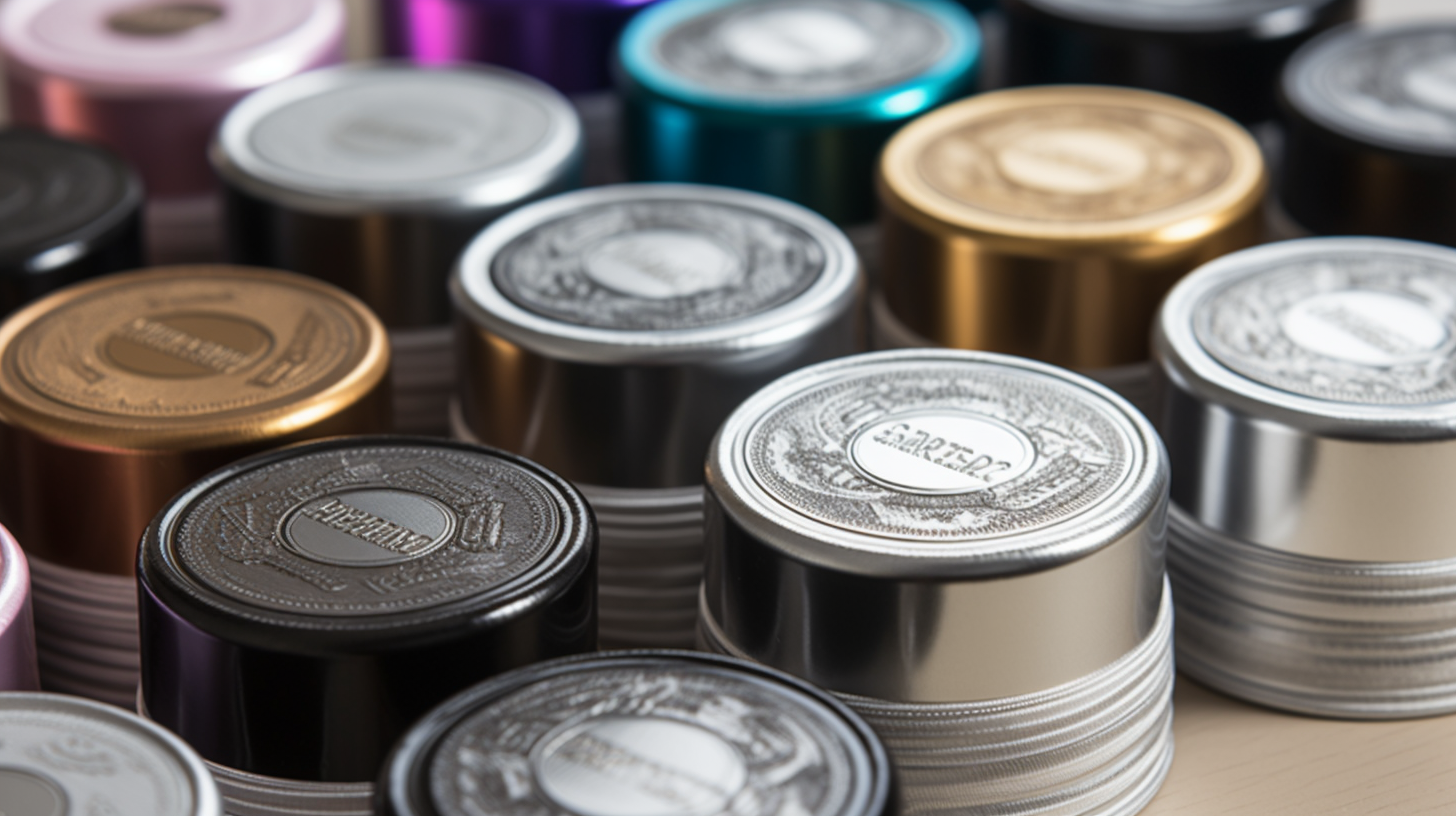
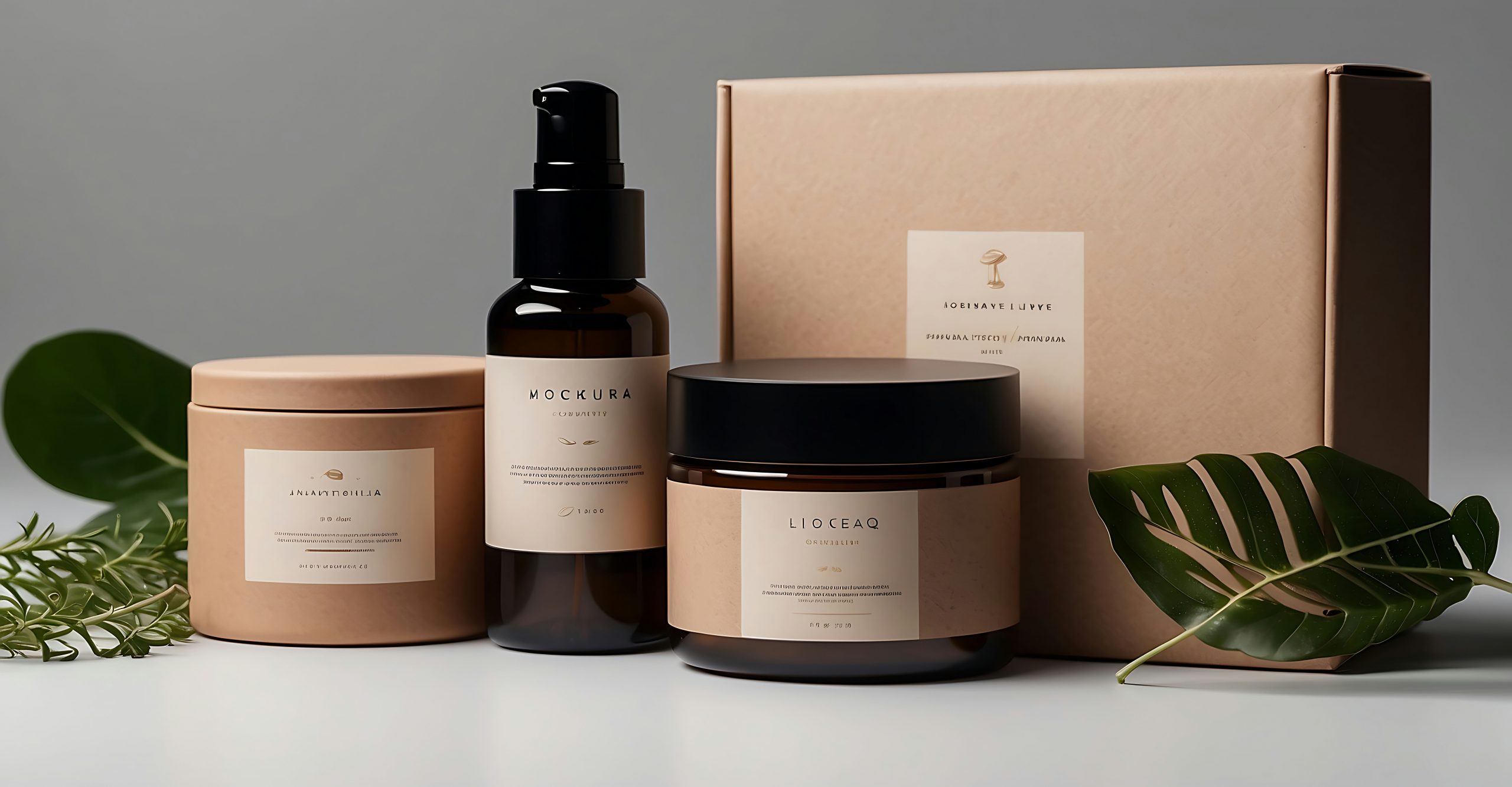
Jars and bottles are different application surfaces, not interchangeable label jobs. A label that performs perfectly on a straight-wall bottle can wrinkle, lift, or crack on a curved jar shoulder — and vice versa. Before you place an order for a multi-format product line, give your label printer four specs for each container: substrate (paper vs. synthetic), adhesive type (permanent, removable, or freezer-grade), label shape and application method (wrap vs. panel), and finish (matte, gloss, or laminate). Get these four right per container, and reordering across formats stops being a guessing game.
If you’re a manufacturer expanding a single product line across both jars and bottles — a CBD tincture in a glass bottle alongside a CBD balm in a jar, or a beverage bottle alongside a batch-canned jar version — or a print broker quoting a client who sells in both formats, this guide walks through exactly what changes between the two, and what to hand your printer so the first proof is the right one.
Why Jars and Bottles Need Different Label Specs — Even From the Same Brand
It’s a common assumption that once you’ve locked in your label design, material, and finish for one container, the same spec sheet works everywhere. In practice, jars and bottles put different physical demands on a label:
- Surface curvature. Bottles are typically cylindrical with a consistent, gentle curve. Jars often have a wider diameter, straighter walls, and — depending on the jar style — a shoulder or taper near the lid that a wraparound label has to negotiate without wrinkling.
- Handling and storage conditions. Jars (honey, spice, candle, canning) are frequently refrigerated, handled with wet or oily hands, or exposed to heat from a lit candle. Bottles (beverage, cosmetic, CBD) see more repeated handling, pouring, and sometimes ice buckets or coolers.
- Label real estate and shape. A tall, narrow bottle usually takes a vertical wraparound label. A short, wide jar often needs a different aspect ratio, and lids or shoulder tapers can call for a separate top label.
None of this means you need a completely different design system for each format — but it does mean the technical label specifications behind that design should be chosen per container, not copy-pasted.
The Core Spec Differences at a Glance
| Spec | Jar Labels | Bottle Labels |
| Common substrate | Paper or synthetic, depending on moisture exposure | Paper for dry retail, synthetic/waterproof for beverages and coolers |
| Adhesive | Permanent, often freezer- or refrigeration-grade for food/CBD jars | Permanent or removable, sometimes ice-bucket-rated for beverages |
| Shape/application | Panel or wraparound, shorter height, wider aspect ratio common | Vertical wraparound, taller aspect ratio common |
| Finish | Matte or soft touch common for candle/cosmetic jars | Gloss or laminate common for beverage shelf appeal; matte for premium cosmetics |
| Typical industries | Candle, cosmetic, honey/spice/canning, CBD balms | Bevarage, wine, CBD tinctures, water and personal care |
Material Selection: Paper vs. Synthetic for Curved vs. Straight Surfaces
Paper labels are cost-effective and print beautifully, but they’re more vulnerable to moisture — a real concern for jars that sit in a refrigerator (spice blends, some cosmetics) or near condensation. Synthetic materials like polypropylene hold up to moisture, oils, and repeated handling, which is why they’re the default for beverage bottles that get iced or refrigerated, and increasingly common for jar candles exposed to heat near the lid.
The decision isn’t just “jar vs. bottle” — it’s about what the container actually goes through after it leaves the shelf. A shelf-stable jar of decorative candles can run on paper. A jar of refrigerated skincare product should not. For a deeper breakdown of when each material makes sense, see our guide to paper vs. synthetic comparison.
Adhesive Requirements: What Actually Changes Between Jars and Bottles
Adhesive is the spec most likely to get overlooked when a brand assumes “the same label” will work on a new container. A permanent adhesive rated for room-temperature bottle storage may not hold on a jar that goes into a freezer or a refrigerated display case — the adhesive can lose tack in the cold and cause edge lifting. Conversely, some bottle applications (limited editions, gift sets, or bottles meant to be relabeled) call for a removable or repositionable adhesive that would be the wrong choice for a jar meant to stay sealed for shelf life.
When you’re specifying labels across a multi-format line, always confirm: Will this container be refrigerated or frozen? Will it be handled with wet hands (a shower or kitchen product) or oily hands (a cosmetic or candle)? Will it sit in an ice bucket or cooler? Our label adhesive types and applications guide breaks down which adhesive class fits which condition.
Label Shape and Die-Cutting Considerations
Bottles typically take a single vertical wraparound label sized to the bottle’s circumference and shoulder height. Jars vary more — a straight-sided jar can often use a similar wraparound approach, but a jar with a tapered shoulder or a wide mouth may need a shorter panel label, a separate lid label, or a die-cut shape that avoids wrinkling over the curve near the neck. If your product line uses the same die-cut label file across formats without adjusting for this, expect visible wrinkling or bubbling on the jar version even if the bottle version looks perfect.
Finish and Durability by Container Type
Finish is partly aesthetic and partly functional. Gloss laminate is a common choice for beverage bottles because it holds up to condensation and adds shelf shine. Matte and soft-touch finishes are popular for candle and cosmetic jars because they read as premium and resist fingerprint smudging on a container that gets handled often. If your line spans both, it’s worth deciding whether you want a consistent finish for brand continuity or a finish optimized per container — both are valid, but it should be a deliberate choice, not a default.
For containers exposed to real moisture — coolers, bathrooms, kitchens — see our comparison of waterproof vs. water-resistant labels before finalizing the spec.
A Spec Checklist to Hand Your Printer
Whether you’re a manufacturer’s design team or a print broker collecting specs from a client, this is the minimum information your label printer needs for each container in a multi-format line:
- Container material (glass, plastic, aluminum) and shape (straight-wall, tapered shoulder, wide-mouth)
- Storage and handling conditions (ambient, refrigerated, frozen, exposure to ice or condensation)
- Label dimensions and orientation (wraparound vs. panel vs. lid label)
- Substrate preference or requirement (paper vs. synthetic)
- Adhesive class needed (permanent, removable, repositionable, freezer-grade)
- Finish (matte, gloss, laminate, soft-touch)
- Order volume and reorder cadence, since wholesale label printing pricing and minimums can differ by substrate and finish
Collecting this per container — not once for the whole product line — is the single biggest thing that prevents a second round of proofs.
Real-World Example: One Brand, Two Containers
A CBD brand launching a tincture (glass bottle) alongside a topical balm (jar) is a common case. The tincture bottle is handled upright, stored at room temperature, and benefits from a synthetic label with a gloss or matte laminate for a premium apothecary look. The balm jar, by contrast, is opened and closed repeatedly with potentially oily hands and may be stored in a bathroom with humidity — calling for a synthetic, moisture-resistant substrate with a soft-touch finish that resists fingerprints. Same brand, same color palette, two different technical specs.
Ready to spec out labels for your next multi-format launch? Sign up in our online ordering portal and place your label order.
FAQ
The artwork and dimensions usually need adjusting even if the design stays identical, because jar and bottle circumferences, shoulder shapes, and label real estate differ. The material, adhesive, and finish should be evaluated separately based on each container’s storage and handling conditions.
Not automatically, but jars that are refrigerated or frozen typically need a freezer-grade or cold-temperature-rated permanent adhesive, while room-temperature bottles can often use a standard permanent adhesive. Always confirm storage conditions before finalizing.
Synthetic materials like polypropylene generally outperform paper on any container exposed to condensation, refrigeration, or wet handling, regardless of whether it’s a jar or a bottle.
A wholesale label printing partner can typically quote multiple formats in one order — provide the spec checklist above for each container so the quote reflects the actual material and adhesive requirements per format rather than a single blended estimate.